Cold Bowl, Hot Meal, or Room Temp? How Food Temperature Is Quietly Shaping What Your Dog Actually Absorbs
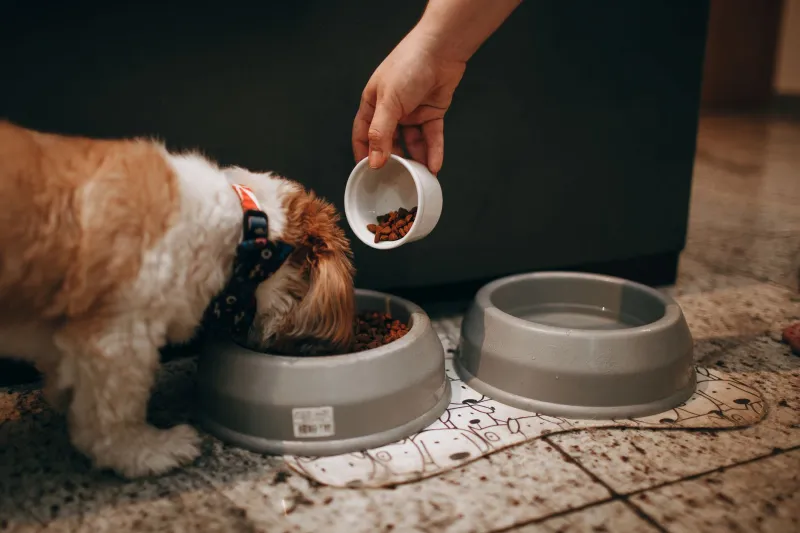
Most of us don't think twice about the temperature of the food we're dropping in our dog's bowl. Kibble comes out of the bag at room temp, raw comes out of the fridge cold, and home-cooked meals cool down on the counter while we wait for them to stop steaming. It feels like a minor detail. But the temperature at which food enters your dog's digestive system actually has a measurable influence on enzyme activity, fat digestion, protein bioavailability, and how efficiently the gut microbiome does its job.
This isn't about making your dog's meals fancy. It's about understanding a variable that's easy to optimize once you know it exists.
How Temperature Interacts With Digestion
Your dog's digestive process starts before food even hits the stomach. Smell triggers saliva production, and saliva contains amylase — an enzyme that begins breaking down carbohydrates. Stomach acid and pepsin then take over for protein breakdown, followed by lipase and bile in the small intestine for fat digestion.
All of these enzymes have optimal temperature ranges. The body regulates internal temperature tightly, so by the time food reaches the stomach it's largely equalized — but the starting temperature still matters for a few key reasons. Very cold food slows gastric motility, meaning the stomach empties more slowly and the digestive process takes longer. In dogs prone to bloat (large and giant breeds especially), that delayed gastric emptying is something to take seriously.
On the other end, food that's too hot can denature proteins before they're even ingested, potentially altering amino acid availability. It can also destroy heat-sensitive vitamins and beneficial bacteria in probiotic-supplemented foods.
What Happens When You Heat Kibble
Some owners add warm water or broth to kibble to make it more palatable — especially for picky eaters or senior dogs. This is generally a good move for a couple of reasons. Warm water softens the kibble, making it easier to chew and potentially improving digestibility for dogs with dental issues. It also increases moisture content, which matters for hydration.
But there's a temperature ceiling to keep in mind. Heating kibble above around 140°F (60°C) starts to degrade heat-sensitive B vitamins, particularly thiamine (B1) and folate. Most kibble is already heat-processed during manufacturing, so the vitamin content has already taken one hit — adding another round of high heat isn't doing your dog any favors.
The sweet spot for adding water to kibble is warm-to-the-touch but not steaming — roughly 100–110°F. That's comfortable on your wrist, similar to how you'd test baby formula. It's warm enough to improve palatability and digestibility without stressing the remaining nutrient content.
Raw Feeding and the Cold Food Question
If you're feeding a raw diet, you're almost certainly serving food straight from the fridge — typically around 38–40°F. That's fine from a food safety standpoint, but it's worth knowing that cold food does slow gastric emptying in dogs. For most healthy dogs, this isn't a significant problem. Their digestive systems are designed to handle a wide range of inputs.
However, if your dog has a sensitive stomach, shows signs of digestive discomfort after meals, or tends toward loose stools on raw, letting the food come up to room temperature (around 65–70°F) before serving can make a noticeable difference. This isn't about warming the food — it's just about taking the chill off it before it goes in the bowl.
One thing to watch: raw food left at room temperature for more than 30–45 minutes starts entering the bacterial growth zone. Don't let it sit out while you wait for it to warm up. Pull it out of the fridge 15–20 minutes before mealtime and serve it promptly.
Cooking Temperature and Nutrient Loss
For owners feeding home-cooked meals, the temperature you cook at matters a lot more than the temperature you serve at. High-heat cooking methods — boiling, frying, roasting at high temperatures — cause significant nutrient degradation.
Vitamin C, B vitamins, and certain amino acids are particularly vulnerable to heat. Cooking at lower temperatures for longer periods (think slow cooking or gentle simmering) tends to preserve more nutrient density than blasting food at high heat for a short time. If you're adding vegetables to your dog's home-cooked meals, light steaming retains far more nutritional value than boiling.
Fats are another consideration. Cooking oils and animal fats at very high temperatures produces oxidative byproducts that aren't great for your dog's cellular health over time. Cooking meat through without charring it — and draining off rendered fat rather than letting it reabsorb — is a reasonable practice for home-cooked canine meals.
Probiotics and Temperature-Sensitive Supplements
If you're adding probiotic supplements to your dog's food — whether as a powder, capsule, or fermented food like plain kefir — temperature is critically important. Live bacterial cultures are killed at temperatures above roughly 115°F (46°C). Adding a probiotic supplement to food that's still steaming hot is effectively a waste of money.
Always wait until food has cooled to warm-room-temperature or lower before adding probiotics. The same principle applies to certain enzyme supplements and some fish oil products, which can oxidize when exposed to heat.
Practical Takeaways for Every Feeding Style
You don't need a thermometer on the kitchen counter to optimize your dog's meal temperature — though it doesn't hurt if you're a details person. Here's a simple framework:
- Kibble with water added: Use warm (not hot) water. Wrist-test it.
- Raw food: Pull it from the fridge 15–20 minutes before mealtime. Serve within 30 minutes of removal.
- Home-cooked meals: Let food cool until it's comfortably warm, not steaming, before serving. Add heat-sensitive supplements after cooling.
- Large or bloat-prone breeds: Avoid serving very cold food, and don't let your dog eat too fast regardless of temperature.
None of this is complicated. But like a lot of things in canine nutrition, the details add up — and the difference between a meal your dog's body absorbs efficiently and one it struggles through is often in the small stuff.