You're Spending $200 a Month on Supplements and Feeding Them All Wrong
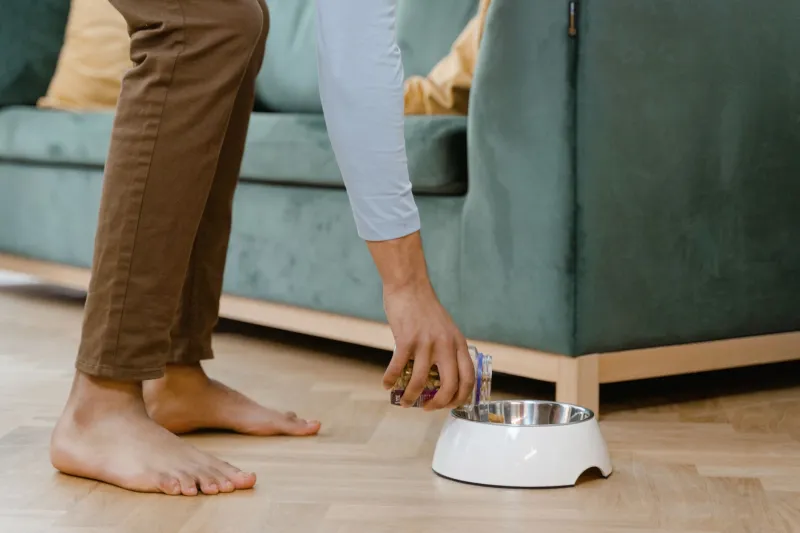
Let's say you're doing everything right. You've researched the brands, read the third-party testing reports, and you're dropping serious money every month on fish oil, probiotics, joint support, and a solid multivitamin. You mix it all into your dog's morning meal, pat yourself on the back, and move on with your day.
Here's the uncomfortable truth: the when matters just as much as the what. And most dog owners have never once thought about it.
Why Absorption Isn't Automatic
Your dog's digestive system isn't a passive receiver. It's an active, complex environment that changes depending on what's already in there, what time of day it is, and what else you're feeding alongside a given nutrient. Some compounds compete for the same absorption pathways. Others require specific conditions — fat, stomach acid, a particular enzyme — to become bioavailable at all.
Bioavailability is the percentage of a nutrient that actually makes it into your dog's bloodstream and gets used. A supplement with 50% bioavailability under ideal conditions might drop to 20% or lower when those conditions aren't met. That's not a minor inefficiency. That's a real, measurable waste.
So before you assume your dog is getting what the label promises, it's worth asking: are the conditions actually right?
The Fat-Soluble Problem Nobody Talks About
Fat-soluble nutrients — vitamins A, D, E, and K, plus omega fatty acids — require dietary fat to be absorbed properly. If you're giving fish oil or a vitamin E supplement alongside a low-fat meal, or worse, as a standalone treat between meals, you're significantly limiting how much actually gets absorbed.
This is one of the most common supplement timing mistakes out there. Fish oil, in particular, needs to be given with a meal that contains a reasonable fat content. The fat stimulates bile production, which is what helps your dog's gut actually pull those omega-3s out of the capsule and into circulation.
Practical fix: Always pair fat-soluble supplements with your dog's most fat-rich meal of the day. For most dogs, that's dinner — especially if you're feeding a higher-fat protein like salmon or lamb in the evening rotation.
Probiotics and the Stomach Acid Timing Window
Probiotics are another area where timing makes a dramatic difference. Most probiotic strains are vulnerable to stomach acid. Feed them on an empty stomach, and a significant portion of those live cultures get destroyed before they ever reach the gut where they're supposed to work.
The optimal window for probiotic administration is with or just after a meal. Food buffers stomach acid and creates a more hospitable transit environment for the bacteria. Some research in companion animals suggests that giving probiotics at the start of a meal — when acid levels are lower — may be even more effective than adding them at the end.
Practical fix: Stir probiotics into the first few bites of food, not the last. And never give them as a between-meal treat.
The Mineral Competition You're Probably Causing
Here's where things get a little more complicated. Certain minerals directly compete with each other for absorption. Calcium and zinc are a well-documented example — they share intestinal transport proteins, so when one is present in high amounts, it suppresses uptake of the other.
If you're giving a calcium supplement (common in home-cooked diets) alongside a zinc supplement in the same meal, you're essentially setting them against each other. Same goes for iron and zinc, and iron and calcium. These aren't theoretical interactions — they're consistently observed in both human and veterinary nutrition research.
Practical fix: Separate competing minerals by at least four to six hours. If your dog eats twice a day, morning and evening, use that natural split to your advantage. Assign calcium to one meal and zinc to the other.
Joint Supplements: Morning or Evening?
Glucosamine and chondroitin are among the most commonly purchased dog supplements in the US, and most owners give them in the morning out of habit. But there's a reasonable argument for evening administration — particularly for dogs with mobility issues.
Joint tissues do a significant amount of repair and regeneration during rest. Giving joint support supplements closer to your dog's longest sleep window means those compounds are circulating during the period when your dog's body is most actively working on tissue maintenance. It's not a dramatic difference, but over months and years, it may add up.
Practical fix: Move joint supplements to the evening meal, ideally with a moderate-fat food to support absorption of any fat-soluble components in the formula.
A Practical Daily Framework
Here's a simple structure that addresses most of the timing conflicts above. Adjust based on your dog's specific supplement stack:
Morning meal:
- Probiotics (mixed into the first few bites)
- Zinc (if supplementing separately)
- Water-soluble B vitamins
- Any digestive enzymes
Evening meal:
- Fish oil / omega-3s (with the fattiest meal of the day)
- Vitamin E
- Vitamin D
- Calcium (if supplementing)
- Glucosamine / chondroitin / joint support
Between meals — generally avoid for most supplements. The exception might be certain herbal or adaptogenic supplements that your vet has specifically recommended on an empty stomach.
One More Thing Worth Mentioning
None of this matters if your dog's gut health is compromised to begin with. Chronic low-grade inflammation, dysbiosis, or a damaged gut lining will reduce absorption regardless of timing. If you've optimized your schedule and still aren't seeing results, that's a conversation worth having with your vet — ideally one with an interest in integrative or functional medicine.
The supplement timing piece is genuinely important, but it's one layer of a bigger picture. Get the timing right, and you give everything else a fighting chance.
Your dog can't tell you when their fish oil isn't working. But their coat, their energy, and their mobility will — if you know what to look for.