Is Your Dog's Pain Making Them 'Difficult'? The Inflammation-Behavior Link Owners Keep Missing

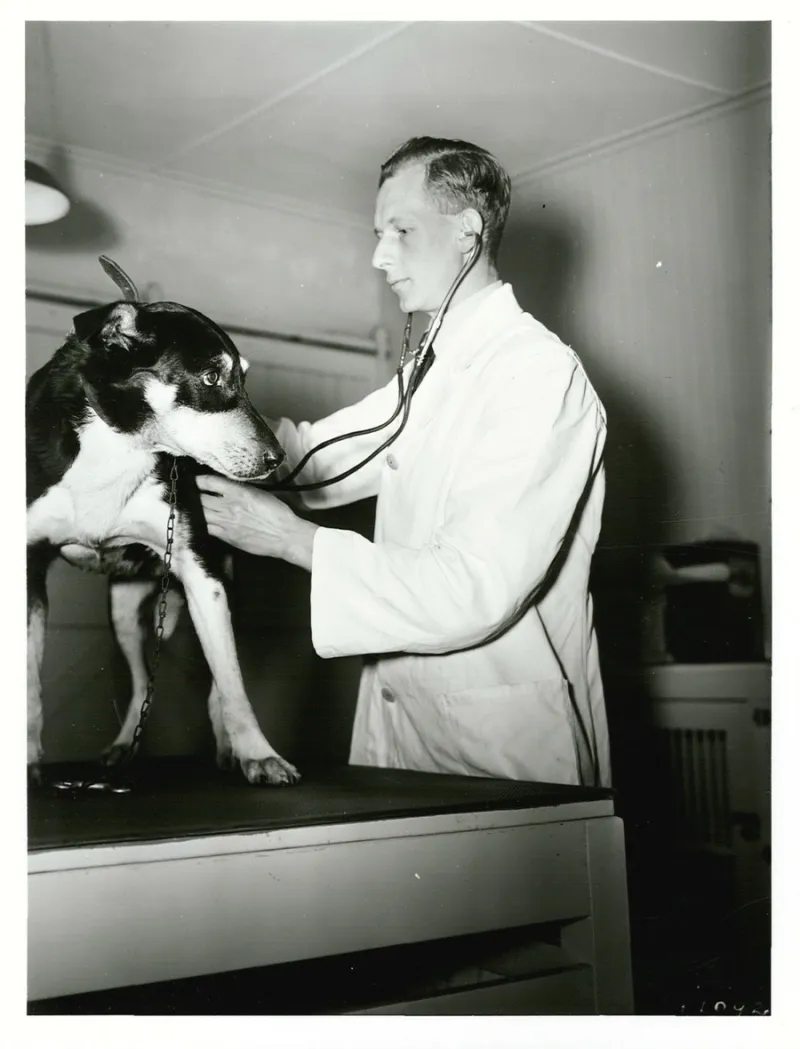
Photo: Francis William Edmonds, CC0, via Wikimedia Commons
Picture this: your dog has always been pretty chill. Then one day, out of nowhere, they snap at a kid reaching for their collar. Or they start growling when you go to pick them up. Or maybe they've just become weirdly reactive on walks — barking at dogs they used to ignore, pulling hard, acting almost frantic.
Your first instinct might be to call a trainer. And look, training always has value. But before you chalk this up to a behavioral issue, there's a question worth asking that most people never think to raise: Is my dog in pain?
Because here's what a growing body of veterinary research is making increasingly clear — chronic inflammation, particularly the kind that settles into joints and soft tissue, doesn't just hurt. It changes how dogs act. And the connection runs deeper than most owners, and honestly many vets, ever catch in a routine appointment.
Pain Doesn't Always Look Like Limping
One of the trickiest things about canine pain is how well dogs hide it. Thousands of years of evolution have made them pretty good at masking vulnerability, which means by the time you notice an obvious limp or a reluctance to climb stairs, the discomfort has often been building for a while.
What shows up first, more often than not, is a shift in behavior.
A dog dealing with persistent joint pain or inflammatory conditions may:
- Become more irritable or reactive around other animals
- Snap or growl when touched in certain areas (or even just when approached)
- Show increased anxiety, especially around movement-heavy activities like car rides or play
- Become clingy or withdrawn in ways that feel out of character
- Sleep more, engage less, and seem generally "off"
None of these are automatically red flags for orthopedic issues on their own. But when they cluster together — especially in middle-aged or senior dogs, or in breeds prone to hip dysplasia, elbow issues, or spinal problems — it's worth thinking about what's happening physically before you assume it's purely psychological.
What Inflammation Is Actually Doing to Your Dog's Brain
Here's where it gets genuinely fascinating (and a little sobering). Inflammation isn't just a local problem — it's a systemic one. When your dog's body is dealing with chronic inflammatory activity, the immune signaling molecules involved, called cytokines, don't stay neatly contained in one joint or tissue. They circulate. And research in both human and veterinary medicine has shown that elevated inflammatory markers can cross into the central nervous system and directly affect mood, stress response, and emotional regulation.
In plain terms: an inflamed body is often an anxious, irritable, or reactive brain.
This is sometimes called "sickness behavior" in the scientific literature — a recognized pattern where inflammatory processes make animals (and people) more sensitive to stimuli, less tolerant of discomfort, and more likely to respond defensively. Your dog isn't being "bad." Their nervous system is on high alert because their body is sending distress signals around the clock.
For dogs with conditions like osteoarthritis, inflammatory bowel issues, or even chronic skin inflammation, this cycle can become self-reinforcing. The pain drives stress. Stress amplifies the perception of pain. And the behavior that results looks, from the outside, like a training failure.
The Foods That Pour Fuel on the Fire
Diet plays a massive role in how much systemic inflammation your dog is dealing with on any given day — and most commercial dog foods are quietly working against you here.
Some of the biggest dietary culprits for chronic canine inflammation:
Refined carbohydrates and fillers. Corn syrup, white rice, and starchy fillers cause blood sugar spikes that trigger inflammatory pathways. Many budget kibbles are loaded with them.
Omega-6 overload. Chicken fat and soybean oil — common in mainstream pet food — are heavy in omega-6 fatty acids. In the right balance with omega-3s, that's fine. But most dogs are eating diets where omega-6s massively outnumber omega-3s, which pushes the body toward a pro-inflammatory state.
Processed proteins and rendered mystery meats. Low-quality protein sources, especially heavily processed ones, can carry advanced glycation end products (AGEs) that have been linked to increased inflammatory activity over time.
Artificial preservatives and additives. BHA, BHT, and certain synthetic dyes have shown associations with immune disruption in animal studies — and an overworked immune system tends to be an inflamed one.
What to Add to Cool Things Down
The good news is that nutrition can work powerfully in the other direction. If inflammation is the problem, targeted dietary changes and smart supplementation can genuinely move the needle — on both the physical discomfort and the behavior that follows from it.
Get serious about omega-3s. High-quality EPA and DHA from marine sources (think wild-caught fish oil or krill-based supplements) are among the most well-supported anti-inflammatory tools in canine nutrition. They don't just lubricate joints — they actively modulate inflammatory pathways at the cellular level. The key is dosing correctly; most dogs aren't getting nearly enough from food alone.
Look for curcumin (with piperine or in a bioavailable form). Turmeric has gotten trendy, but plain turmeric powder has poor absorption in dogs. Look for supplements using bioavailable curcumin complexes, which have genuine research support for reducing inflammatory markers and supporting joint comfort.
Green-lipped mussel. This New Zealand shellfish is one of the more underrated ingredients in the joint health world. It contains a unique combination of omega-3s, glycosaminoglycans, and antioxidants that research has shown can reduce joint inflammation and improve mobility — sometimes noticeably within weeks.
Antioxidant-rich whole foods. Blueberries, spinach, and sweet potato (in appropriate amounts) bring polyphenols and vitamins that help neutralize the oxidative stress that drives inflammatory cycles. Some premium dog foods incorporate these; if yours doesn't, small additions to your dog's bowl can help.
Probiotics and gut support. The gut-immune axis is real — roughly 70% of the immune system lives in the gastrointestinal tract. A disrupted gut microbiome can amplify systemic inflammation significantly. High-quality probiotics formulated for dogs can help restore balance and reduce the immune system's tendency to stay in overdrive.
Before You Book the Trainer, Book the Vet
If your dog's behavior has shifted — especially if they're older, a large breed, or have any history of joint issues — a veterinary workup is worth doing before you assume the problem is behavioral. Ask specifically about inflammatory markers, joint assessment, and whether pain management might be worth trialing. Many vets have seen dramatic behavioral turnarounds in dogs once underlying pain was properly addressed.
And while you're working with your vet, take a hard look at what's in your dog's bowl. Nutrition won't fix a torn ligament or reverse advanced arthritis on its own — but it can meaningfully reduce the inflammatory burden your dog is carrying every single day. Less inflammation means less pain. Less pain means a calmer, more comfortable dog who isn't snapping because their body is screaming at them.
Sometimes what looks like a behavior problem is really just a dog asking for help in the only language they have.
Listen to what they're telling you.