Your Dog's Mouth Is Telling You Something Most Vets Don't Catch Until It's Too Late
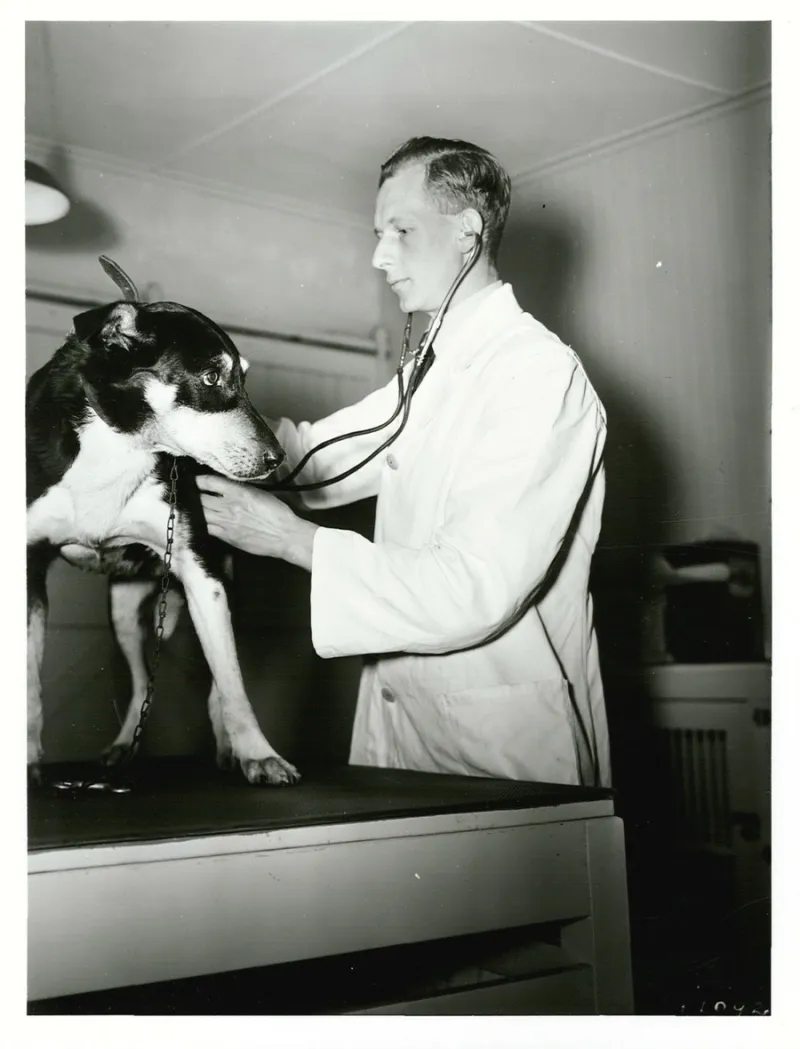
Photo: Archives New Zealand, CC BY 2.0, via Wikimedia Commons
Let's be honest. Most of us check our dog's teeth about as often as we rotate our car tires — which is to say, almost never, and usually only when something already seems wrong. But here's the uncomfortable truth: by the time bad breath becomes obvious, or you notice your dog flinching when they chew, the damage has often been building for months, sometimes years.
Dental disease is the most commonly diagnosed health condition in adult dogs in the United States. According to the American Veterinary Dental College, the majority of dogs show signs of periodontal disease by the time they hit their third birthday. Three years old. That's not a senior dog problem — that's a whole-life problem that starts young and compounds quietly over time.
And the part that should really get your attention? It doesn't stay in the mouth.
What's Actually Happening Under the Gum Line
When plaque builds up on your dog's teeth, it's not just an aesthetic issue. That sticky film is a thriving colony of bacteria. Left undisturbed, it hardens into tartar, which creates pockets between the teeth and gums where bacteria can multiply in an oxygen-poor environment. That's when things shift from cosmetic to genuinely dangerous.
The gums are highly vascular tissue — meaning they're packed with tiny blood vessels sitting very close to the surface. Once periodontal disease sets in and the gum tissue becomes inflamed or breaks down, those bacteria have a direct route into the bloodstream. From there, they can travel to the heart, kidneys, and liver, where they cause low-grade chronic inflammation that quietly erodes function over time.
Studies in veterinary medicine have drawn clear associations between periodontal disease and conditions like endocarditis (infection of the heart valves), chronic kidney disease, and liver dysfunction in dogs. These aren't rare, worst-case outcomes — they're documented, recurring patterns that researchers keep finding when they look closely at dogs with untreated dental disease.
In plain terms: a neglected mouth can age your dog's vital organs faster than almost anything else you'd think to worry about.
The Oral Microbiome — Your Dog's Forgotten Ecosystem
Your dog's mouth hosts hundreds of bacterial species, and not all of them are villains. Just like the gut microbiome, the oral microbiome exists in a delicate balance. When that balance tips — toward harmful, anaerobic bacteria that thrive in plaque — the whole system starts working against your dog.
What disrupts that balance? A lot of the same things that disrupt gut health: poor diet, excess sugar from low-quality kibble ingredients, lack of mechanical abrasion (think: chewing), and yes, genetics. Some breeds are more predisposed to dental problems than others, particularly small and toy breeds whose teeth are often crowded into undersized jaws.
But here's the thing that doesn't get talked about enough — what your dog eats directly shapes the bacterial environment in their mouth. Diets high in refined carbohydrates and low-quality fillers feed the exact bacterial strains that accelerate plaque formation. Meanwhile, certain nutrients actively support the structural integrity of gum tissue and help regulate the inflammatory response that makes periodontal disease so destructive.
Why Brushing Alone Isn't the Full Answer
Brushing your dog's teeth is genuinely helpful, and if you're doing it consistently, good on you — most dog owners in the US aren't. But brushing addresses the surface of the teeth and only reaches so far below the gum line. It's a bit like mopping the kitchen floor while ignoring the refrigerator coils — you're doing something, but the real problem is somewhere else.
Mechanical cleaning is one layer of a multi-layer strategy. What supports the rest of it?
Diet quality matters more than most people realize. Whole-food protein sources, limited refined starches, and adequate moisture content all contribute to a healthier oral environment. Raw or minimally processed diets have shown some associations with reduced tartar buildup, likely because they don't leave the same sticky carbohydrate residue that processed kibble can.
Chewing behavior is a built-in dental tool. Dogs evolved to gnaw, and that mechanical action physically scrapes plaque from tooth surfaces. Appropriate chews — raw bones under supervision, certain dental chews with the Veterinary Oral Health Council (VOHC) seal — give your dog's teeth the abrasive contact that brushing can't fully replicate.
Targeted supplements can work from the inside out. This is where nutrition and dental health really converge. Ingredients like coenzyme Q10 (CoQ10) have been studied for their role in supporting gum tissue health and reducing periodontal inflammation. Vitamin C supports collagen synthesis in gum tissue. Zinc has demonstrated antimicrobial properties against oral bacteria. Probiotics — yes, oral-specific probiotic strains — can help rebalance the bacterial population in the mouth itself, crowding out the harmful anaerobes that drive disease.
Water additives containing enzymes like glucose oxidase and lactoperoxidase can also help suppress bacterial growth between brushings, providing a low-effort daily layer of protection.
The Longevity Angle Nobody's Talking About
Here's the framing shift that changes everything: dental health isn't a cosmetic concern or even just a comfort concern. It's a longevity metric.
When you're thinking about how to add quality years to your dog's life — better food, smarter supplementation, regular exercise, reduced toxic exposure — oral health belongs in that same conversation. The chronic systemic inflammation driven by untreated periodontal disease is the same mechanism that underlies accelerated aging across every major organ system.
Some veterinary researchers have started using the term "inflammaging" — inflammation-driven aging — to describe exactly this process. And the mouth is one of the most accessible, modifiable entry points for that inflammation.
The good news is that unlike genetic predispositions or environmental factors that are hard to control, oral health is highly actionable. You can change what your dog eats. You can add a dental chew to their routine. You can look into targeted supplements that support gum and immune function. You can make professional dental cleanings a regular part of their care schedule rather than a last resort.
Making Oral Wellness Part of Your Dog's Health Stack
If you're already thinking carefully about your dog's nutrition — reading labels, choosing quality protein sources, considering gut health — adding oral wellness to that framework is a natural next step. It's not a separate project. It's the same philosophy applied to a different system.
Start by actually looking in your dog's mouth. Lift the lip, check the back molars where tartar accumulates fastest, and note whether the gums look pink and firm or red and receding. If you're seeing yellow-brown buildup, persistent bad breath, or any gum irritation, it's worth a conversation with your vet before the next issue shows up in a blood panel.
Then build a routine: quality diet, daily or near-daily brushing, appropriate chews, and a supplement or water additive that supports the oral microbiome. It doesn't have to be complicated. It just has to be consistent.
Your dog can't tell you their mouth hurts. But if you're paying attention to the right signals — and building a health strategy that treats the mouth as the systemic gateway it actually is — you're already ahead of most owners. And that, over the long run, is what premium care actually looks like.