Your Dog Is Probably Dehydrated Right Now — And a Full Water Bowl Isn't Fixing It
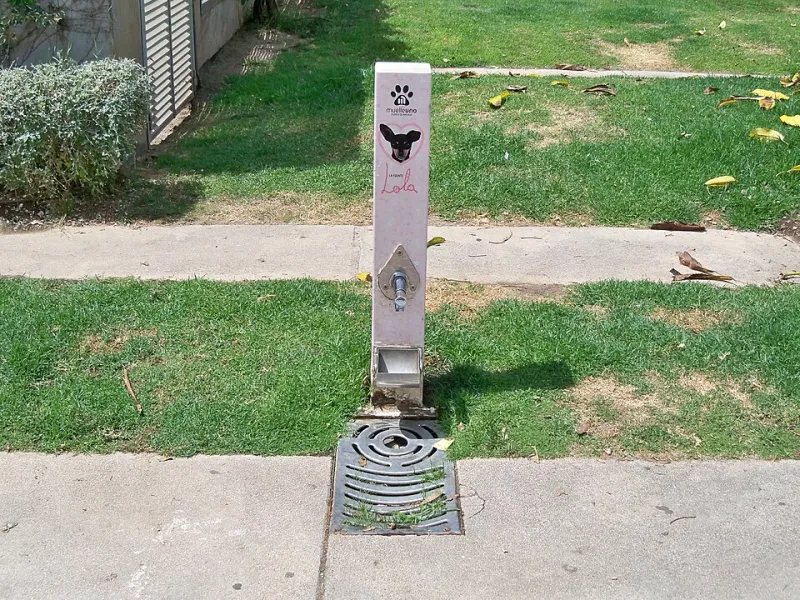
Photo: Daniel Capilla, CC BY-SA 4.0, via Wikimedia Commons
Here's a scenario that plays out in households across the US every single day: a dog with a constantly topped-up water bowl, a loving owner who checks it religiously, and yet—a dog who is subtly, chronically under-hydrated at the cellular level.
It sounds counterintuitive. But hydration isn't a simple math problem of water in, water out. It's a complex biological process that involves minerals, amino acids, gut health, food moisture content, and the efficiency with which your dog's cells actually absorb and retain fluid. And most of us—even the most dedicated dog owners—are missing the bigger picture.
Water Is the Starting Point, Not the Finish Line
Water is essential. Nobody's arguing otherwise. But think of plain water as the vehicle—it still needs the right infrastructure to get where it's going. Inside your dog's body, water moves in and out of cells through a process governed by electrolytes: primarily sodium, potassium, chloride, and magnesium. These minerals create the osmotic pressure that determines whether fluid actually enters cells or just passes through the system.
When electrolyte levels are off—whether from diet, excessive exercise, heat, illness, or chronic low-grade stress—your dog's body can't regulate fluid distribution efficiently. They might drink plenty of water and still struggle with the downstream effects of poor hydration: low energy, stiff joints, slower recovery after activity, and even cognitive fog.
This isn't fringe science. It's basic physiology—and it's something elite canine athletes and sport dog handlers have understood for years while the average pet owner is still just refilling the bowl.
Signs Your Dog's Hydration Isn't What You Think It Is
The classic dehydration test—pinching the skin at the back of the neck and watching how quickly it snaps back—only catches significant dehydration. It tells you almost nothing about the subtle, chronic hydration deficits that affect day-to-day function.
Look instead for these less-obvious signals:
- Sticky or tacky gums — Healthy gums should feel slick and moist. Tacky gums are an early warning sign.
- Thick or ropy saliva — Well-hydrated dogs have thinner, more fluid saliva. Stringy saliva suggests the body is conserving water.
- Sunken or dull eyes — Mild but persistent dehydration often shows up in the eyes before anywhere else.
- Lethargy that doesn't match activity levels — A dog who seems tired despite normal sleep and exercise may be running low on cellular hydration.
- Dark yellow urine — Occasional concentration is normal, but consistently dark urine suggests your dog's kidneys are working overtime to compensate.
- Reduced skin elasticity — Even when the snap-back test seems normal, skin that feels less supple than usual can indicate suboptimal hydration status.
If you're checking several of these boxes, the answer probably isn't just more water.
The Role of Food Moisture in Hydration
Here's something that doesn't get nearly enough attention: dry kibble contains roughly 10% moisture. Fresh meat, by comparison, is about 70–75% moisture. Raw and fresh-food diets, wet foods, and rehydrated freeze-dried formats all contribute meaningfully to your dog's total daily fluid intake in a way that a dry food diet simply cannot.
Dogs evolved eating prey—a high-moisture food source. Their thirst drive is actually calibrated for that baseline level of dietary hydration. When we switch them to a dry kibble diet, we're essentially asking their kidneys to compensate for a moisture deficit that their biology wasn't fully designed to handle long-term.
Adding even a partial wet food component—or simply adding warm water or low-sodium bone broth to dry kibble—can make a measurable difference in hydration status, stool consistency, and kidney workload.
Bone Broth: The Ancestral Hydration Upgrade
Bone broth has become something of a wellness buzzword, but there's genuine substance behind the trend. Properly made bone broth—simmered for 12–24 hours from quality animal bones—is rich in collagen, gelatin, glycine, glucosamine, and trace minerals. It's also highly palatable, which means even picky or unwell dogs who resist drinking water will often lap it up enthusiastically.
For dogs specifically, the benefits stack up:
- Collagen and gelatin support gut lining integrity, which directly affects how efficiently nutrients (and water) are absorbed
- Glycine is an amino acid with anti-inflammatory properties and plays a role in cellular hydration
- Trace minerals provide electrolyte support without synthetic additives
- High palatability makes it an effective vehicle for getting more fluid into dogs who are reluctant drinkers—common in senior dogs and certain breeds
A few ounces added to meals or offered as a between-meal treat several times a week is a low-effort, high-return hydration strategy that fits naturally into almost any feeding routine.
One important note: store-bought broths marketed for humans often contain onion, garlic, or excessive sodium—all problematic for dogs. Always use products specifically formulated for pets, or make your own with plain bones and water.
Electrolyte Formulations: Not Just for Working Dogs Anymore
For years, electrolyte supplementation for dogs was primarily a conversation among competitive sport dog handlers, sled dog mushers, and field trial enthusiasts. That's changing fast—and for good reason.
Any dog dealing with summer heat, high activity levels, digestive upset, or even chronic stress can benefit from electrolyte support. The key is choosing formulations designed for canine physiology, not human sports drinks (which contain sugar levels and additives that are inappropriate for dogs).
Look for canine electrolyte products that include:
- Sodium and potassium in appropriate ratios for dogs
- Magnesium — often overlooked but critical for muscle function, nerve transmission, and cellular hydration
- No artificial sweeteners — xylitol, in particular, is toxic to dogs and appears in some human electrolyte products
- Minimal or no added sugar — some glucose is fine and actually aids electrolyte absorption, but sugar shouldn't be a primary ingredient
These can be mixed into water, added to broth, or incorporated into meals during periods of higher demand: summer months, post-exercise recovery, travel stress, or recovery from illness.
Hydration and the Joints, Brain, and Gut Connection
When we talk about hydration in dogs, the conversation tends to stay surface-level. But the downstream effects of chronic sub-optimal hydration are worth understanding, because they touch almost every system in the body.
Joints: Synovial fluid—the lubricant that cushions your dog's joints—is water-based. Dehydration reduces its volume and viscosity, which increases friction and accelerates wear. For dogs already managing arthritis or orthopedic conditions, hydration status isn't a minor consideration.
Cognitive function: The brain is roughly 75% water. Even mild dehydration affects neurotransmitter production and signal speed. Dogs dealing with hydration deficits may show slower responses, reduced trainability, and increased anxiety—symptoms that owners often attribute to behavioral issues rather than physiological ones.
Gut health: The mucosal lining of the digestive tract depends on adequate hydration to function properly. Poor hydration contributes to constipation, reduced nutrient absorption, and increased intestinal permeability—a condition increasingly linked to systemic inflammation.
Practical Steps to Start Today
You don't need to overhaul your dog's entire routine to make meaningful improvements. Start here:
- Add moisture to every meal — A splash of warm water or a few ounces of dog-safe bone broth transforms dry kibble into a hydration-contributing meal.
- Offer multiple water sources — Some dogs drink more when water is available in more than one location, or when offered in a different type of bowl (ceramic and stainless steel are preferred over plastic).
- Refresh water frequently — Stale water is less appealing. Fresh water, changed at least twice daily, encourages more consistent drinking.
- Consider a pet water fountain — Moving water is more enticing to many dogs and stays oxygenated longer.
- Introduce a quality electrolyte supplement during summer, after vigorous exercise, or during periods of stress.
Hydration excellence isn't complicated. But it does require looking past the water bowl and understanding what your dog's body actually needs to function at its best. That's the difference between average care and the kind of intentional, informed ownership that shows up in how your dog looks, moves, and feels every single day.