What Your Dog's Coat Is Screaming About Their Diet (And How to Read It)
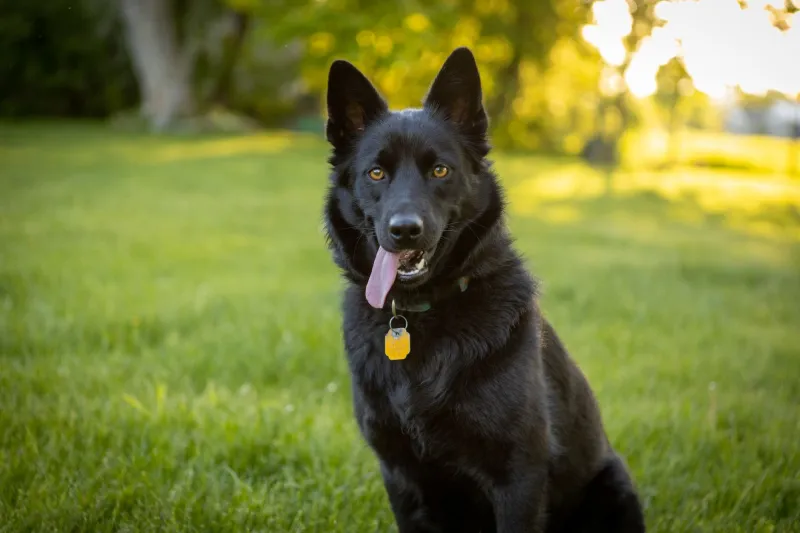
You don't need a blood panel to get a rough idea of whether your dog's nutrition is on point. You just need to look at them. Seriously — stand back, run your hand through their coat, and pay attention. The skin and hair follicles are among the most metabolically active tissues in your dog's body, which means they're also among the first to show signs when something's off in the diet.
Think of your dog's coat as a slow-moving report card. It won't tell you about yesterday's meal, but it absolutely reflects what's been happening nutritionally over the past several weeks to months. Here's how to decode what you're seeing.
Shine Isn't Just Cosmetic
A healthy coat should have a natural luster to it — not greasy, not flat, but genuinely reflective under decent lighting. That shine comes primarily from sebum, the natural oil your dog's skin produces to protect and condition each hair shaft. And sebum production is directly tied to fat intake.
When dogs don't get enough dietary fat — or more specifically, when the type of fat is off — sebum production drops. The result is a coat that looks dull, dry, or almost matte in appearance. If you're feeding a low-fat diet or a food where the fat sources are heavily processed (think rendered mystery fats listed as "animal fat" with no further specification), this is often where you'll see the fallout first.
The fatty acids doing the heaviest lifting here are omega-3s and omega-6s. They work together to maintain the skin's barrier function and regulate inflammation at the follicle level. An imbalance — especially too much omega-6 relative to omega-3, which is extremely common in commercial kibble — can lead to a coat that looks dull, feels rough to the touch, and sheds excessively.
What Texture Is Actually Telling You
Run your fingers against the grain of your dog's coat. What do you feel?
A well-nourished coat feels smooth, somewhat resilient, and consistent across the body. When you start noticing rough patches, brittle strands that break easily, or areas that feel almost coarse and wiry when they shouldn't, you're likely looking at a mineral deficiency story.
Zinc is one of the biggest players here. It's essential for keratin production — the structural protein that makes up hair — and it's notoriously tricky to absorb from many commercial dog foods. Phytates in grain-heavy formulas can bind zinc and prevent absorption, meaning your dog's food might technically contain adequate zinc while their body is barely accessing any of it. The coat texture suffers as a result.
Biotin (a B vitamin) is another common culprit. Biotin deficiencies specifically affect hair structure and can cause the kind of dullness and brittleness that owners often mistake for dryness. The frustrating part is that biotin deficiencies can develop even when dogs are eating "complete and balanced" foods, particularly if raw egg whites are part of the diet — avidin in egg whites blocks biotin absorption.
Decoding the Shedding Pattern
All dogs shed. Even so-called non-shedding breeds lose some hair. The question isn't whether your dog sheds — it's how they shed and how much.
Seasonal shedding, typically heavier in spring and fall, is completely normal for most double-coated breeds. What's not normal is heavy, year-round shedding that leaves tumbleweeds of fur across your floors regardless of season, or patchy shedding where hair loss is uneven and concentrated in specific areas.
Excessive non-seasonal shedding is often tied to one of three nutritional factors:
1. Protein quality or quantity. Hair is almost entirely protein. When a dog's diet doesn't supply enough high-quality, bioavailable protein, the body prioritizes vital organs and systems — and the coat gets deprioritized. Hair follicles go dormant early, and shedding increases. This is especially common in dogs eating protein sources with low digestibility scores.
2. Essential fatty acid deficiency. As mentioned above, omega imbalances affect the follicle environment and can accelerate the shedding cycle.
3. Gut absorption issues. This one is sneaky. A dog can be eating a genuinely excellent diet and still have a poor coat if their digestive system isn't absorbing nutrients efficiently. Chronic low-grade gut inflammation, dysbiosis, or leaky gut can all impair the uptake of fat-soluble vitamins (A, D, E, K) that directly support skin and coat health.
Breed Baseline: Knowing What "Normal" Looks Like for Your Dog
Before you start overhauling your dog's diet based on coat observations, it's worth being honest about breed-specific baselines. Some coats are supposed to be wiry (terriers), some are naturally more prone to shedding (German Shepherds, Huskies), and some require specific grooming maintenance to look their best regardless of diet.
A Labrador Retriever will never have the same silky coat as a Golden Retriever, no matter how perfectly optimized their diet is. A Chinese Crested is going to look different from a Bernese Mountain Dog. Know your breed's standard coat characteristics before you start reading problems into normal variation.
That said, within a breed, you can absolutely use coat quality as a comparative tool. If your Lab used to look glossy and now looks dull, that's meaningful — even if a Lab's coat will never rival a Silky Terrier's.
Red Flags Worth Acting On
Here's a quick rundown of coat signs that genuinely warrant a dietary review:
- Persistent dullness despite adequate fat in the diet → Look at omega-3 sourcing and gut absorption
- Rough, brittle texture → Investigate zinc and biotin levels and their bioavailability
- Heavy year-round shedding → Evaluate protein quality and digestibility
- Flaky skin alongside coat changes → Often points to fatty acid imbalance or vitamin A/D issues
- Hot spots or patchy hair loss → Can have nutritional roots but also warrants a vet check to rule out allergies or thyroid issues
- Color fading in dark-coated dogs → Sometimes linked to copper deficiency, which affects melanin production
What to Do With What You're Seeing
If your dog's coat is sending up red flags, the smartest first move isn't to throw supplements at the problem. Start with the foundation: assess the quality of the protein sources in your dog's current food, evaluate the fat profile (specifically the omega-3 to omega-6 ratio), and consider whether their digestive health might be limiting what they're actually absorbing.
A food with a long, impressive ingredient list means nothing if bioavailability is low. And a supplement routine that bypasses a compromised gut isn't going to fix the underlying issue.
Your dog can't tell you when their diet isn't cutting it. But their coat? That's a different story.